.svg)
How we are changing
the future
We focus on plant molecular biology, biochemistry and biophysics to create novel and a new generation crop growth, development and protection solutions. This holistic, omics-driven approach represents a paradigm shift in agricultural practices, moving toward more sustainable and efficient strategies to ensure food security in the face of climate change.
Building radically better ways boosting Agricultural productivity
Coastal Biotech's application of omics technologies not only advances our understanding of biostimulant-plant interactions, it also paves the way for the next-generation of plant development solutions that can precisely address the multifaceted challenges posed limiting growth and survival conditions in plants.
Key Capabilities:
Key Challenges we address
Food Security through Yield Stability
We are shifting Agri productivity from genetic limitation to dynamic performance tuning. Modern crops face multiple simultaneous stresses, and breeding cannot keep up with the speed of climate change. Our technology enables real-time, precise modulation of plant growth and stress responses, unlocking yield potential under any condition and ensuring food security in a changing climate.
Regional Response to Emerging Threats & Post‑Crisis Recovery
Reducing Dependence on Imported Agrochemicals
Innovation Timelines
Vision
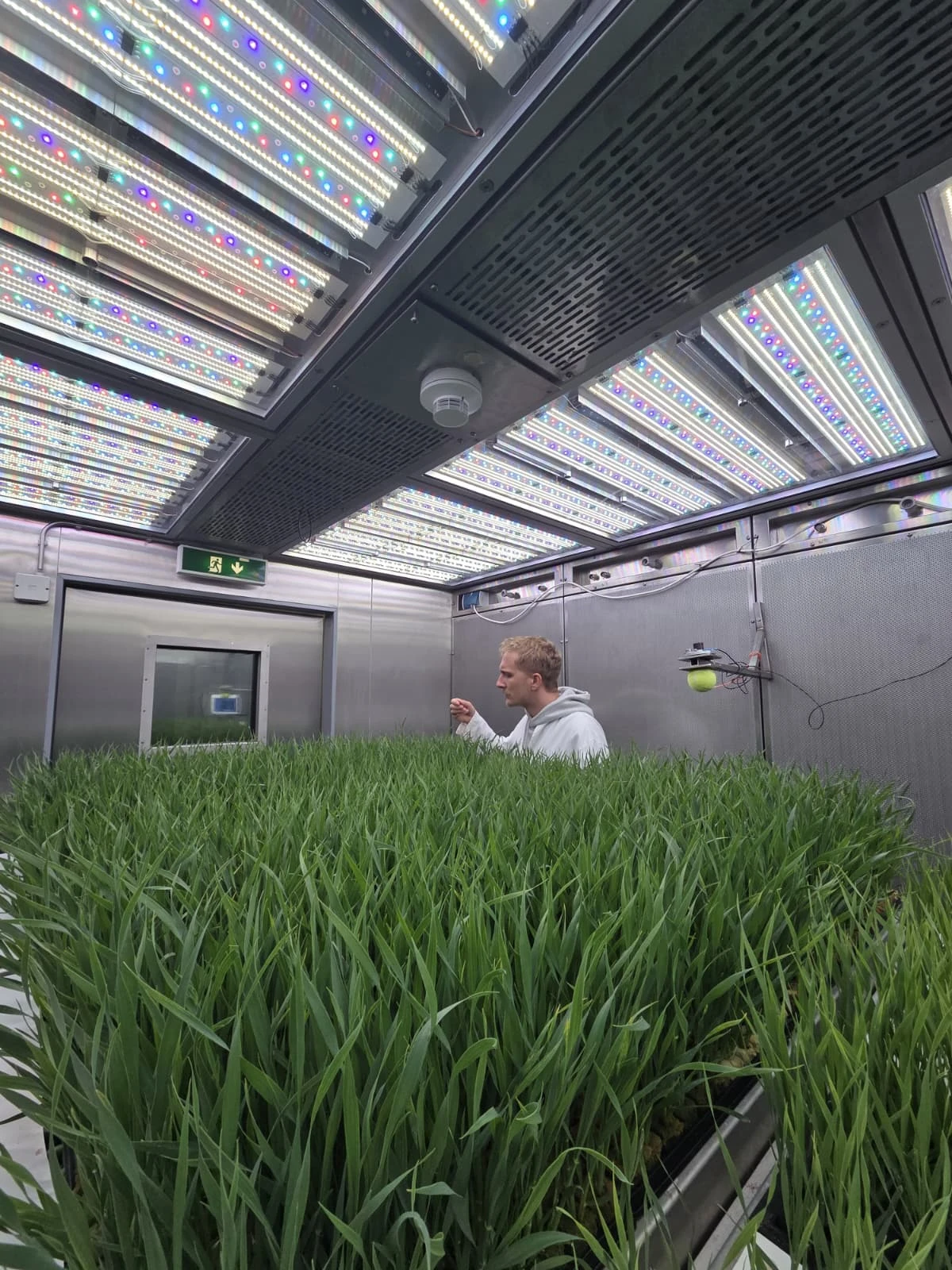
We believe agriculture needs radical transformation. Our vision is to redefine the future of farming by replacing chemical‑intensive inputs with programmable biological solutions—creating a world where every crop thrives under climate stress, every farm regenerates its ecosystem, and food security is achieved through innovation rooted in biology.
Mission
To empower global agriculture with intelligent, nature‑inspired technologies that unlock plants’ innate potential—delivering higher productivity, resilience, and sustainability without heavy reliance on chemical dependency.
Our history
Our team
We’ve assembled some of the brightest minds – an ambitious team of diverse backgrounds and talents.
Backed by our investors and working in partnership with governments,
regulators and specialist suppliers, we’ve got the drive and expertise to change the future of Agriculture.

Lavine Irvine
CEO



Jorge Benavides
Biorefinery Engineer | Manufacturing Unit
Francis Karanja
Managing Director | Kenya
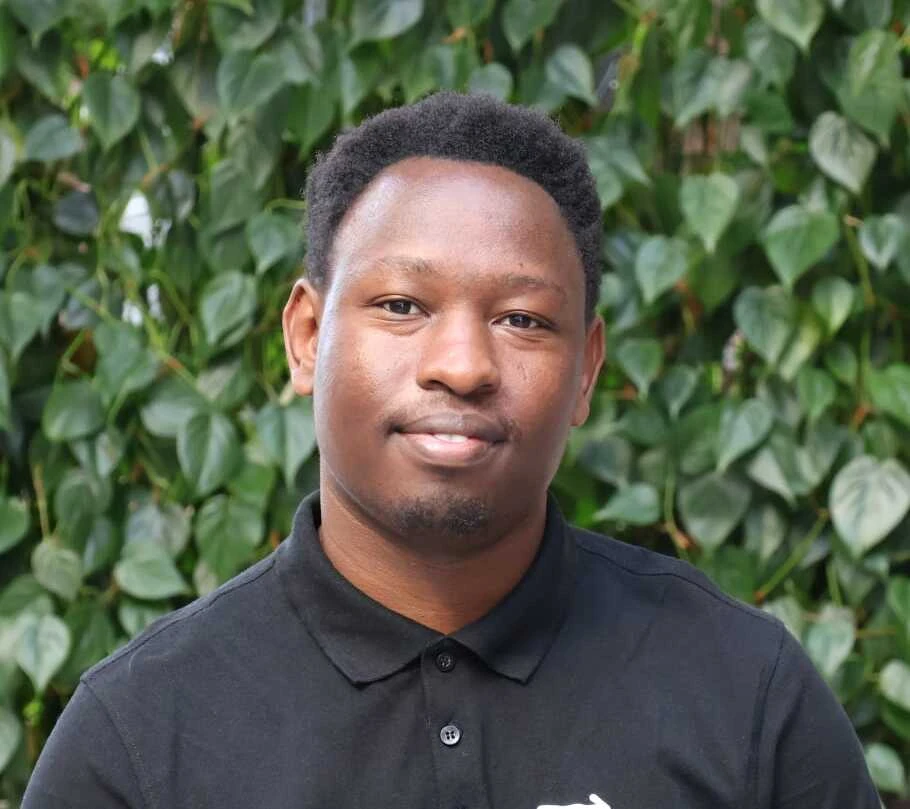
Martin Nyantino
Strategic Partnership Manager | MENA






Key Capabilities we provide
Coastal Biotech provides competitive dynamics - providing end-to-end support for bringing biological solutions to market.
01
CDMO Partner
Supportive infrastructure for Upstream (Raw Material & Media Preparation),
Midstream (Fermentation & Bioprocessing), and Downstream (Formulation & Packaging) capabilities.
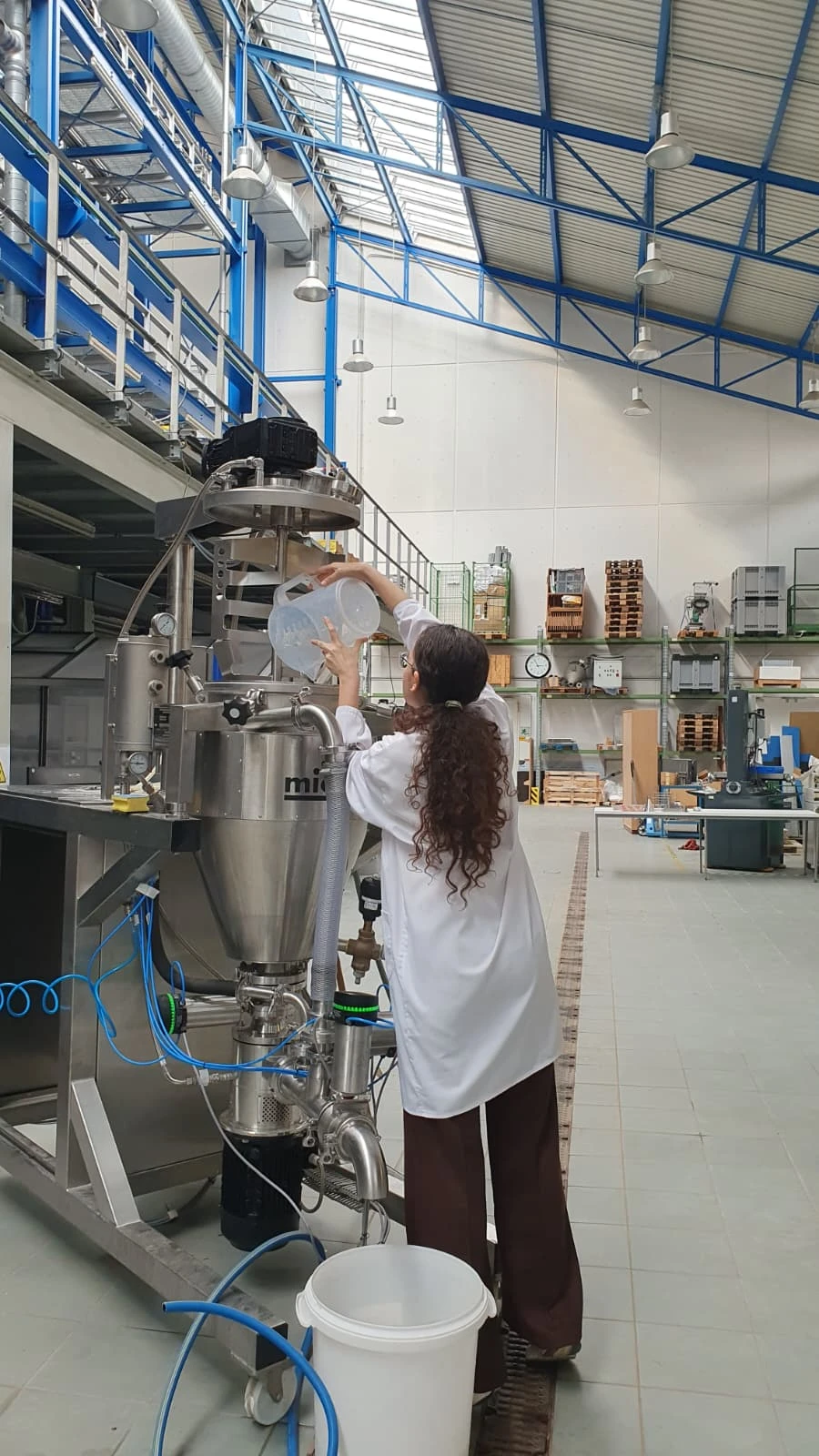
With primary infrastructure in Hydrolysis, and Solid-state fermentation (SSF) - Providing bioactive enrichment, biostimulant actives, polysaccharide extractions, at industrial scale.
Want to partner with us?02
Glycomics and RNA Technology
Work with us as a dedicated R&D partner to leverage internally developed biological assets—including proprietary strain collections, signalling pathway datasets, genetic and hormonal response mappings, and characterized bioactive extracts—to develop differentiated high-value products with enhanced efficacy, defensibility, and premium market positioning.
More info03
Soil Biophysics
Our seaweed-derived ECM-like polymers—change soils by physically reorganizing the solid–liquid–gas architecture. Through aggregation, hydrogel hydration, ion buffering, and pore network engineering, they improve water availability, aeration, and nutrient residence time, creating a resilient soil fabric that sustains higher productivity with fewer inputs.
More info.webp)